Full Roof Replacement with CertainTeed Landmark Shingles in Seattle
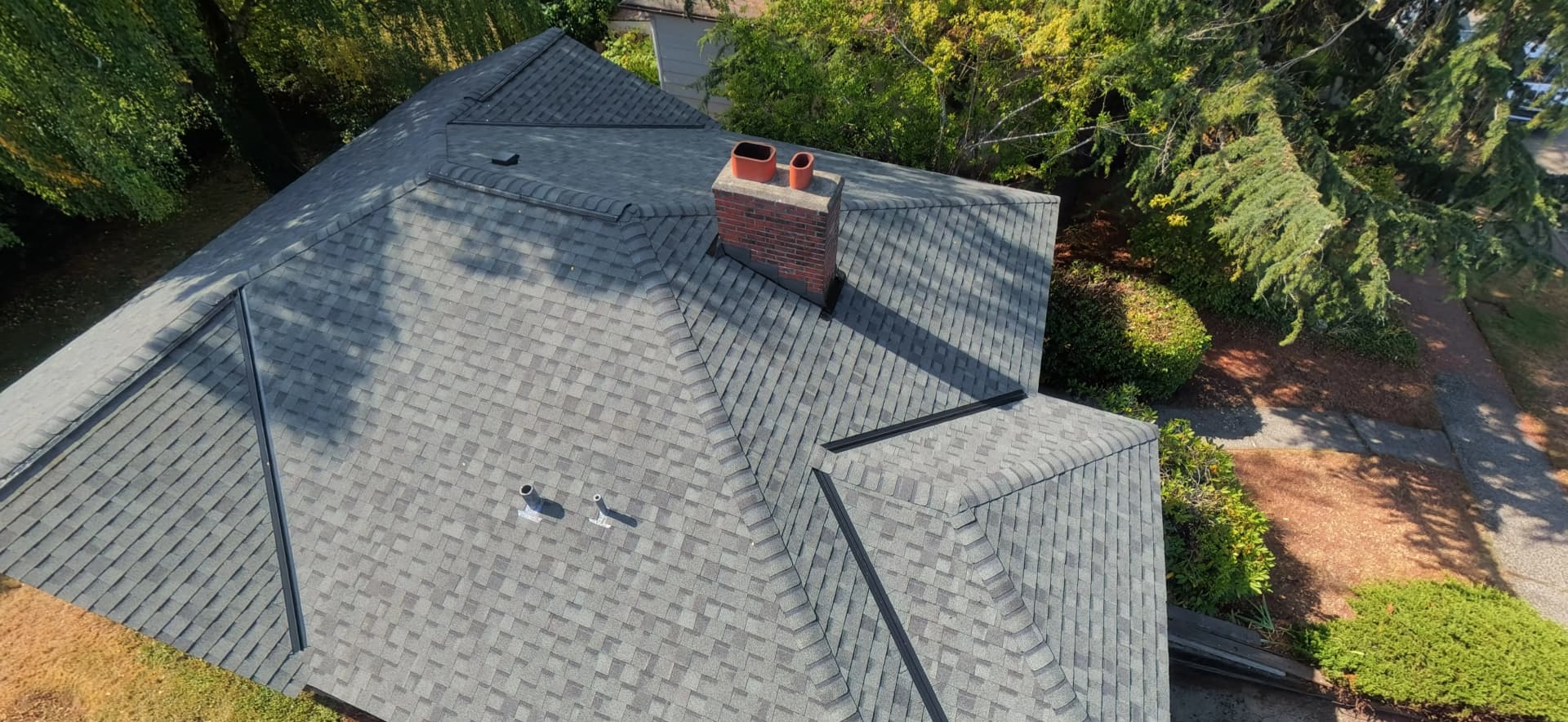
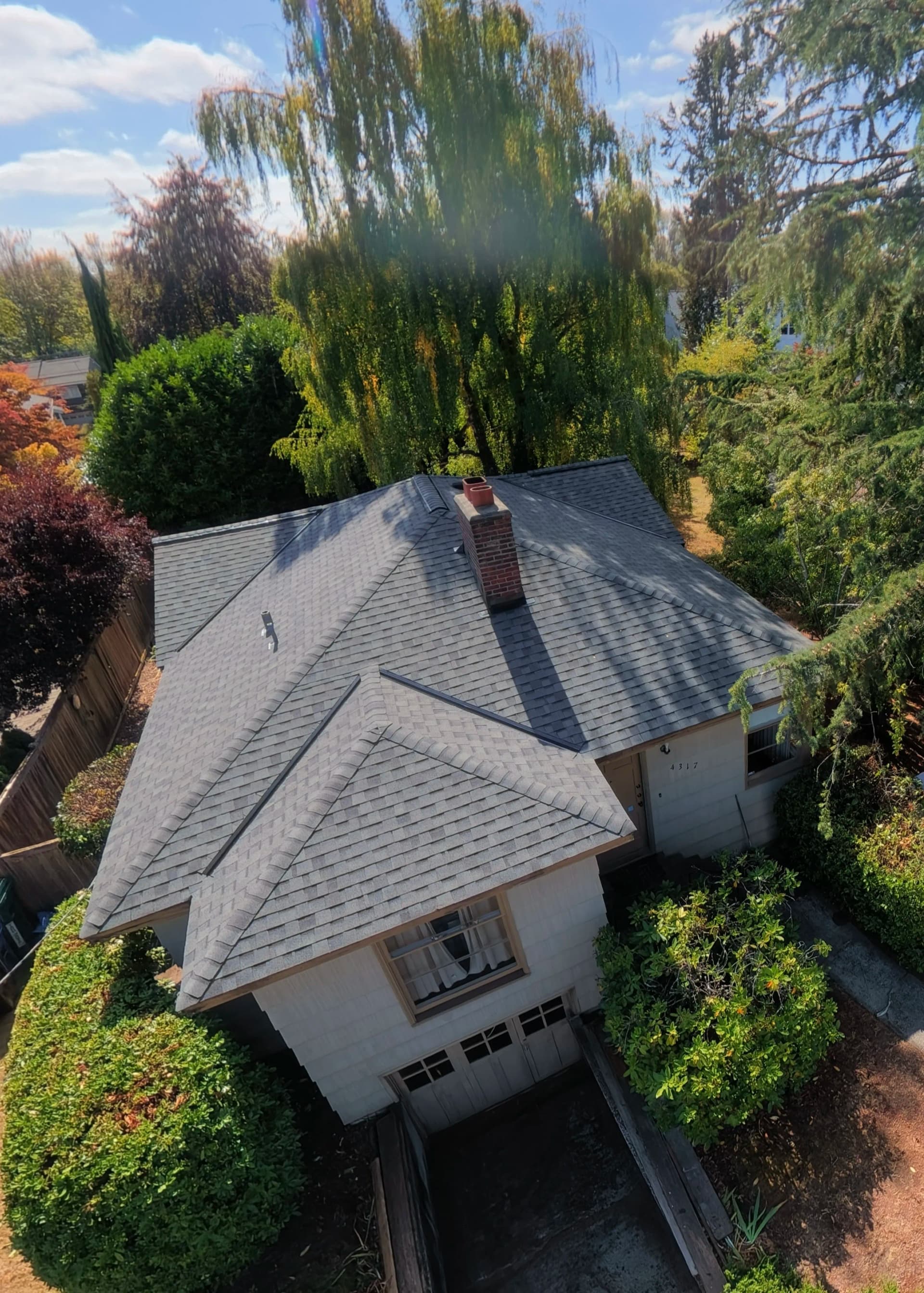
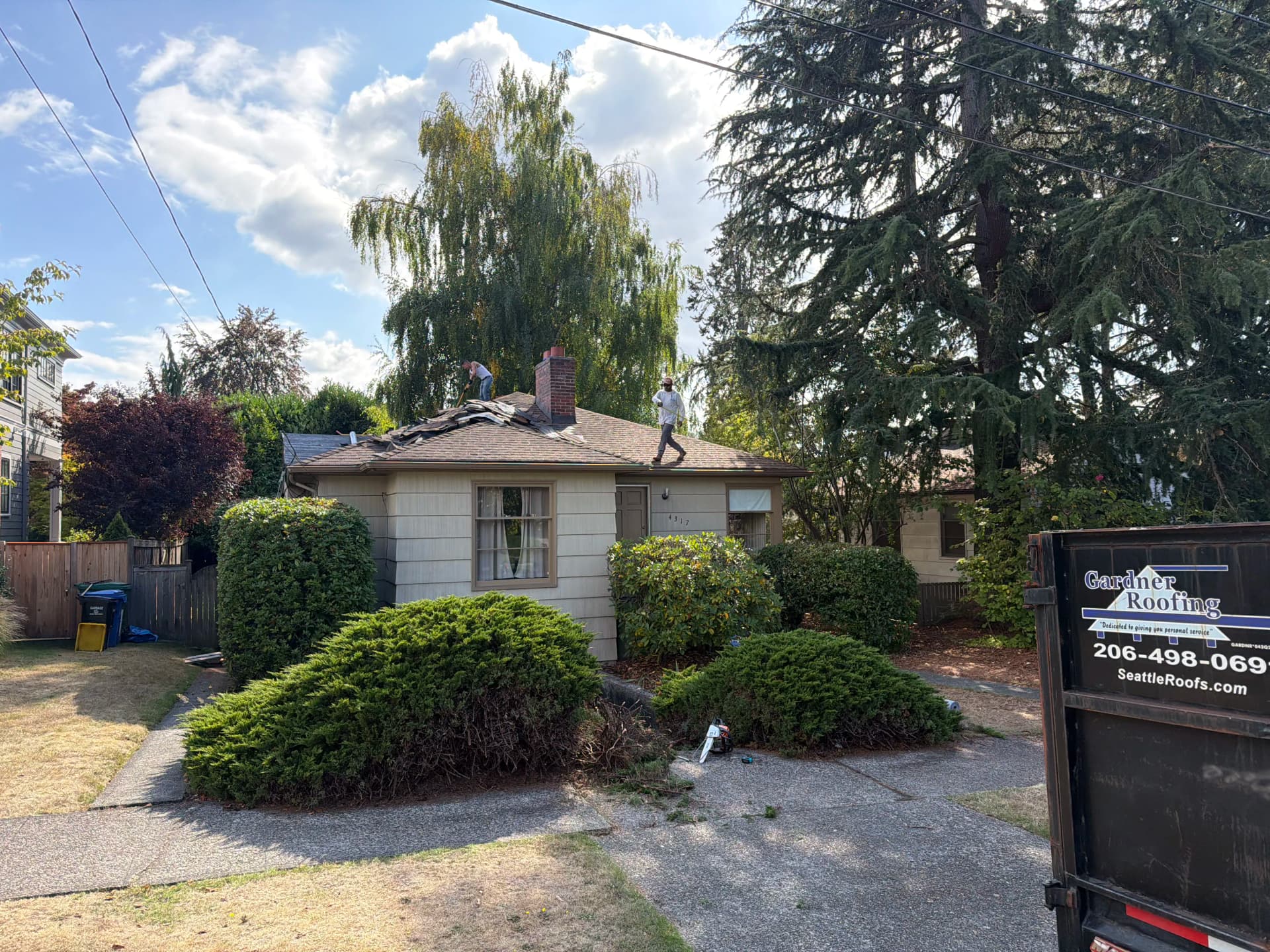
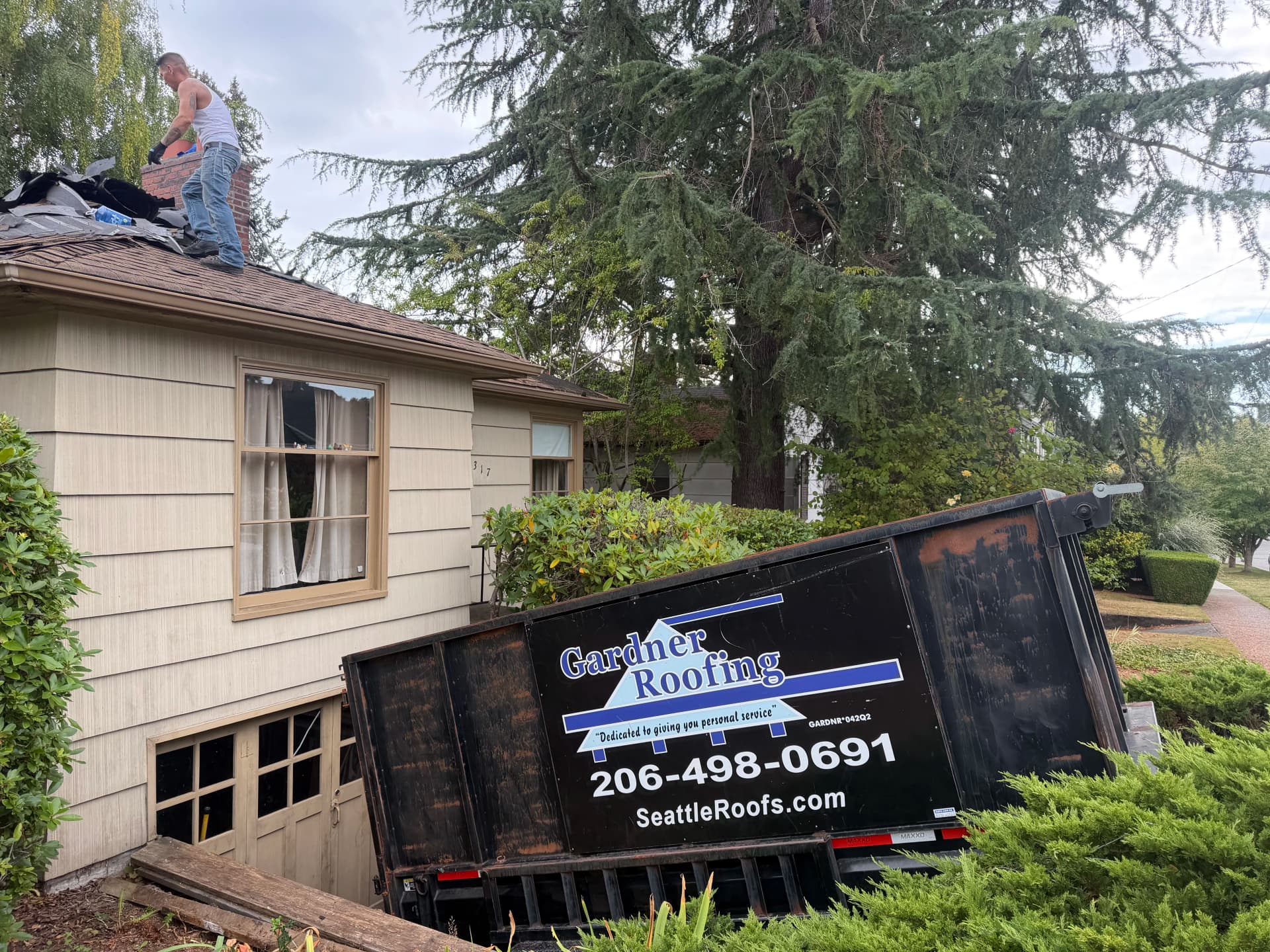
This one was a full tear-off and replacement on a classic Seattle home. The old roof had run its course - worn shingles, aged material, and the kind of look that tells you it's only a matter of time before you've got bigger problems on your hands. So we stripped it down to the deck and started fresh.
We went with CertainTeed Landmark shingles in Granite Gray for this one. It's a sharp color that works really well with older Northwest homes - not too dark, not too light. But more importantly, Landmark shingles are a workhorse. They're built for the kind of wet, heavy weather Seattle gets year after year, and they carry solid manufacturer backing to go with it.
The roof geometry on this house had a lot going on - multiple hips, valleys, and a brick chimney to work around. That kind of complexity takes real care during installation. Every ridge, valley, and transition point has to be done right or you end up with leak points down the road. We take that seriously.
What we ended up with is a roof that looks solid and sits clean across the whole structure. The hip ridges run tight and straight, the field shingles lay flat and uniform, and the flashing detail around the chimney is buttoned up. That's what a proper shingle roofing job should look like when it's done.
If your roof is getting up there in age - or you're just not sure what condition it's actually in - fall is a smart time to get eyes on it before the rainy season gets going. A failing roof doesn't get better on its own, and catching it early almost always saves money in the long run.